Site Header
Deviation Actions






Description
Intelligence: Raccoons are highly intelligent and can solve problems, open latches, and adapt to new environments.
Nocturnal: Raccoons are most active at night and are rarely seen during the day.
Night vision: Raccoons have excellent night vision.
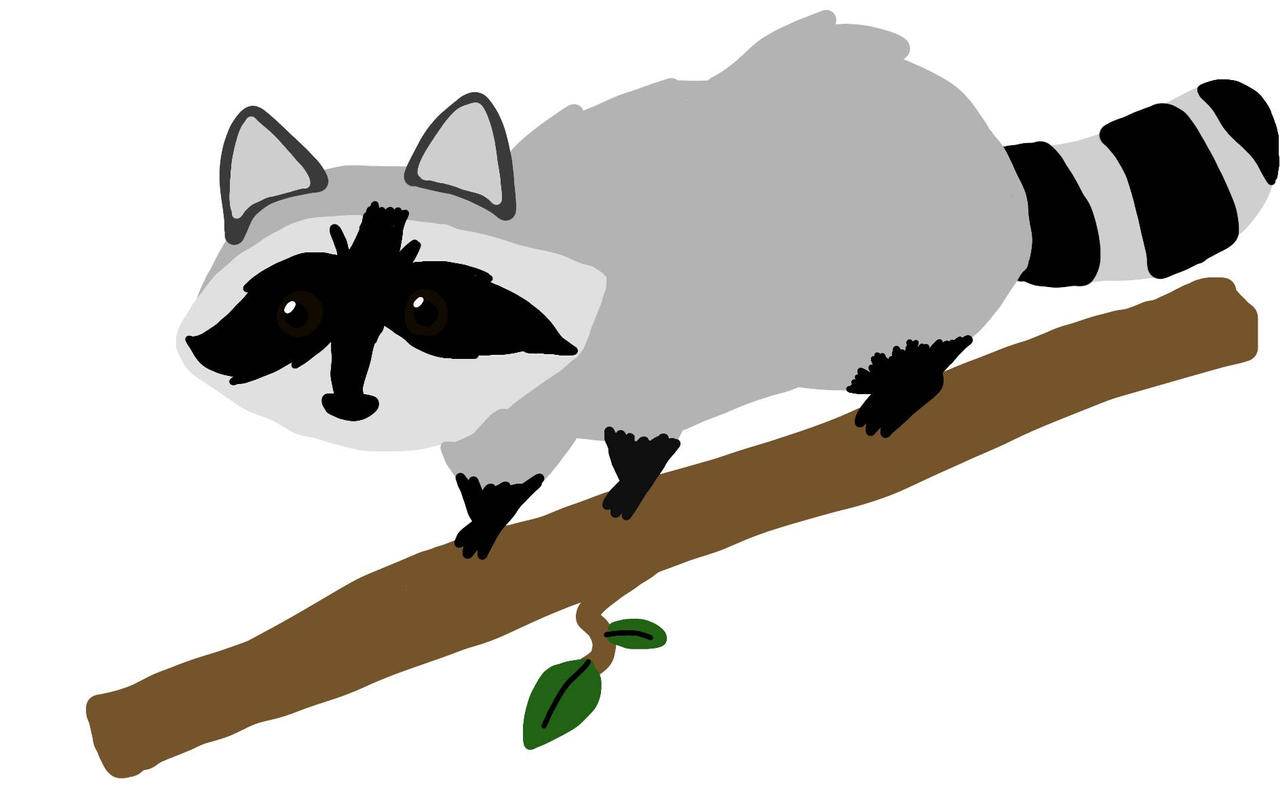
Climbing: Raccoons are very agile climbers and can climb down trees headfirst.
Omnivores: Raccoons eat a variety of foods, including invertebrates, plants, and vertebrates.
Litter size: Female raccoons, called sows, give birth to litters of 2–5 kits in the spring.
Habitat: Raccoons are native to North America, but have become invasive in Japan and Europe. They are also common in urban areas.
Diseases: Raccoons can carry rabies, salmonella, Leptospirosis, and Baylisascaris, a type of roundworm.
Behavior: Raccoons may become aggressive if they feel threatened. They are known to bite and scratch.
Sounds: Raccoons purr when they feel safe and relaxed, and coo when they feel safe and interact with their young.