Site Header

Deviation Actions


Promoted Deviations


Suggested Deviants


Suggested Collections


Description
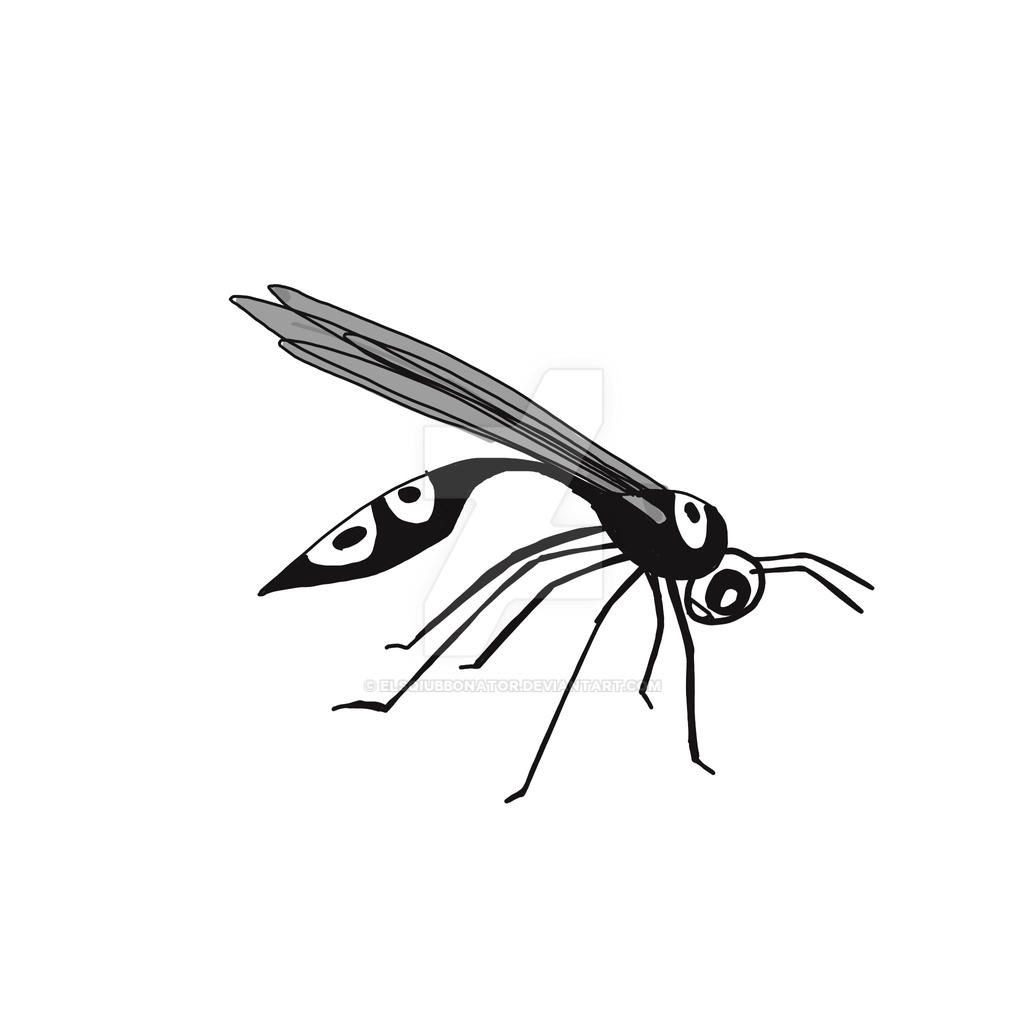
Insects flourish in desert environments, even while vertebrates struggle. Their small size and low energy demands mean that they can survive in even the harshest deserts. 25 million years in the future, in the deserts of southwestern North America, one of the most feared animals of all is not a large predatory mammal or bird, but an insect no more than a couple of inches long. The Grim Wasp (Necrovespa sarcophaga) is a member of the sphecid, or solitary hunting wasp, family, which can grow up to three inches long. Both the adults and the larvae are carnivorous, with the adults preying on other insects and spiders in the manner of a dragonfly or a robber fly. The grim wasp is avoided even by animals much larger than itself, as it possesses one of the most powerful and toxic stings of any insect, comparable to that of the present-day bullet ant. As for why a solitary wasp should possess such a sting, the answer lies in its breeding habits. Each female lays between six and ten eggs, each one in a separate burrow, and regularly feeds the larvae as they grow and develop. While the adults will eat any invertebrate prey they can catch, the larvae are generally fed on the flesh of beetles of various sizes, which the females kill with their stings and remove from their shells before butchering with their powerful jaws. Females therefore guard the territory on which their nests are located viciously, and are capable of driving off animals much bigger than themselves. The grim wasp's stark black and white markings warn of its powerful sting, and these are mimicked by many harmless insects as a form of protection.
Image size
2048x2048px 198.07 KB
© 2023 - 2026 ElSqiubbonator
Comments0
Join the community to add your comment. Already a deviant? Log In